

Water Walker Waal Path Mooserstegle Sölden
Map & elevation profile
The Tour
On this themed path you can enjoy the peace and beauty on Sölden's quiet side. The Mooserstegle is a waal path from an earlier time. These waals held great importance because they allowed the meadows to be irrigated. We hike along the old path into the Windach Valley with deep views into the gorge of the Windach Ache.
Here you can see the work of water over the past centuries, deeply cut into rock and stone. Further inside the valley, you come somewhat closer to the water. But before the path leads over a bridge to the Mooserstegle, we take a short break in the hammocks. Then you walk down to the right and through the mystical forest to the riverbed of the Windach Ache.
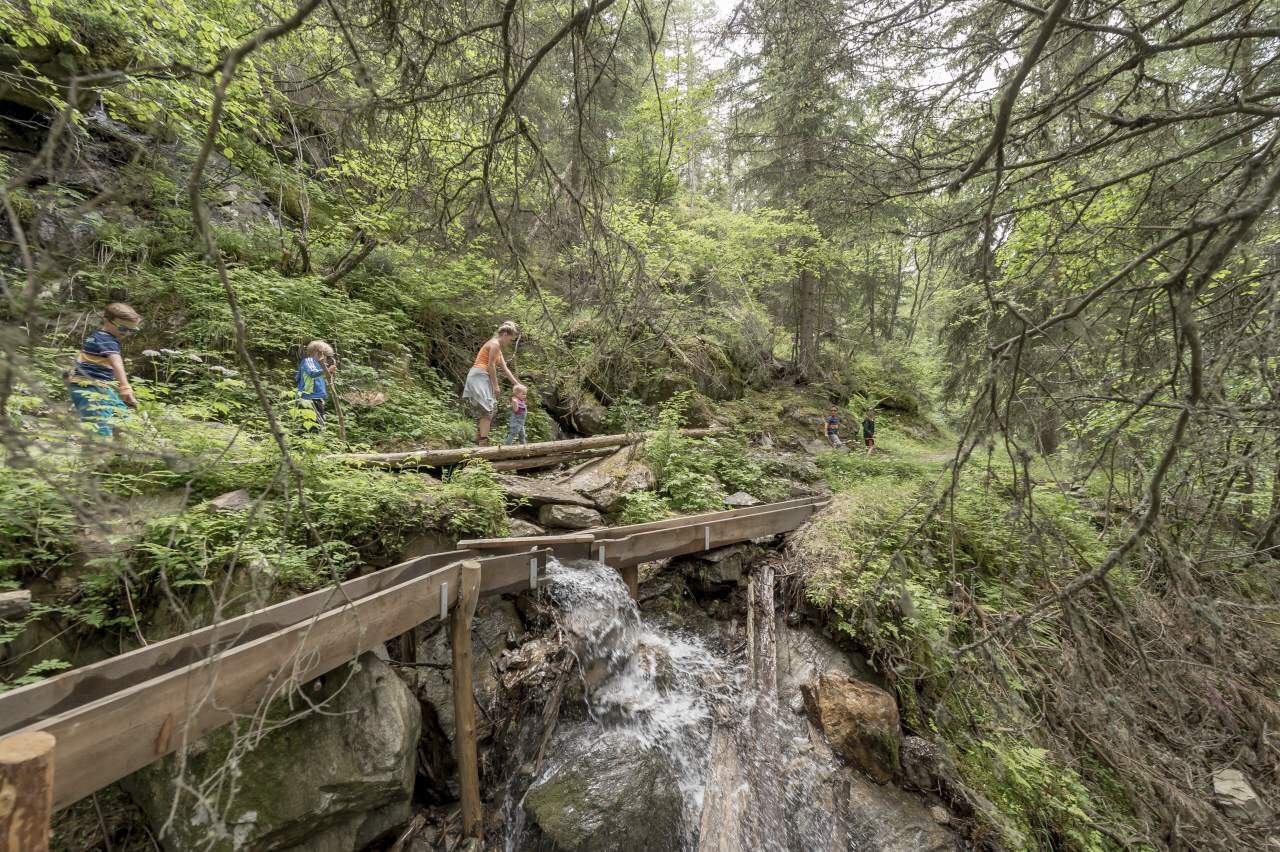
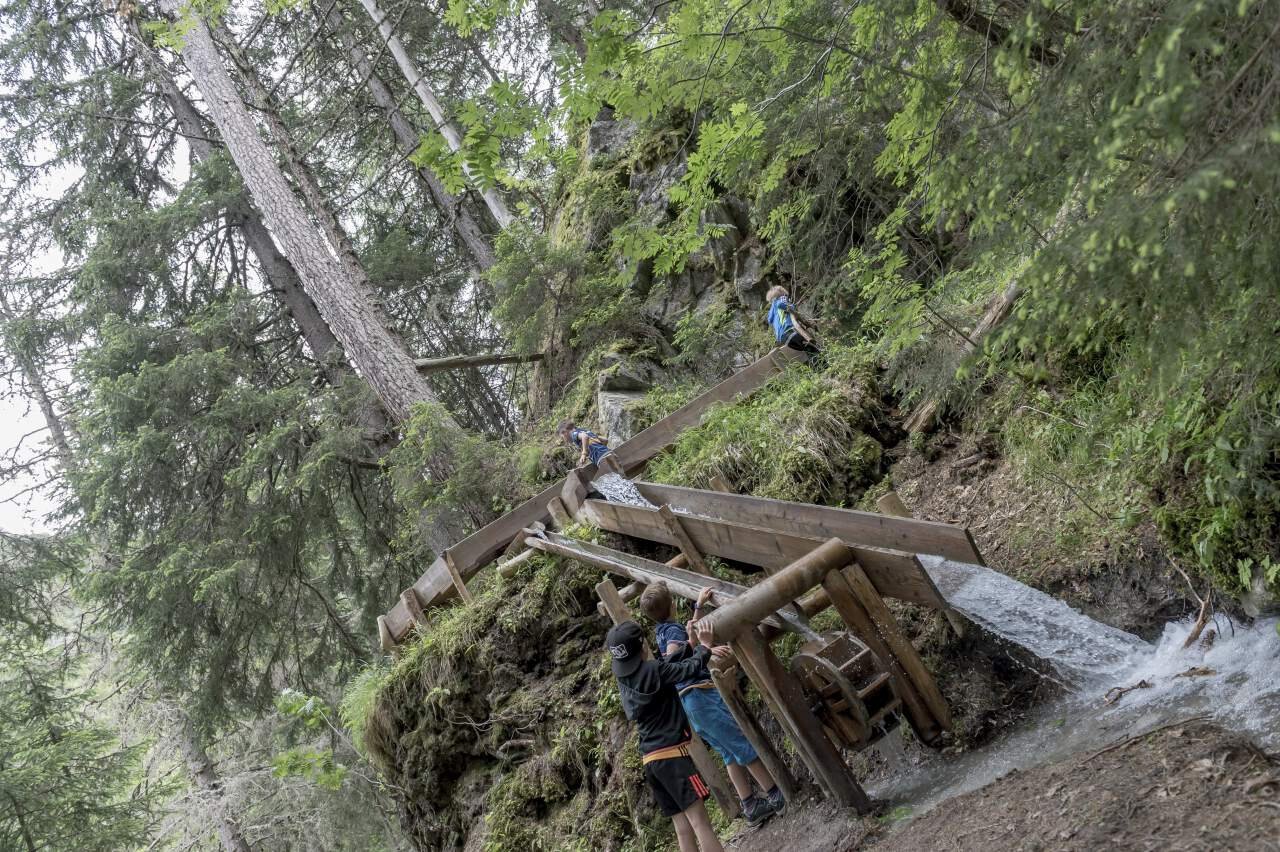
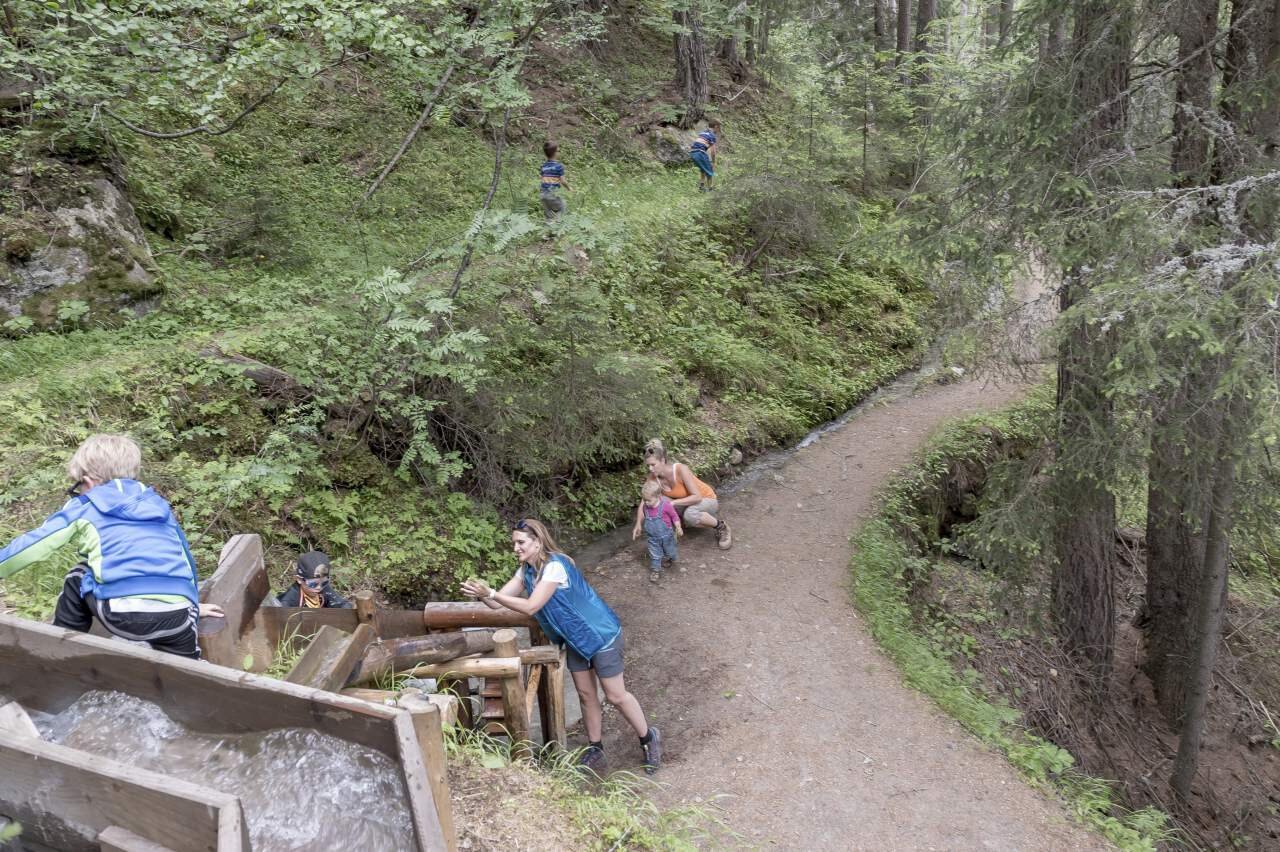
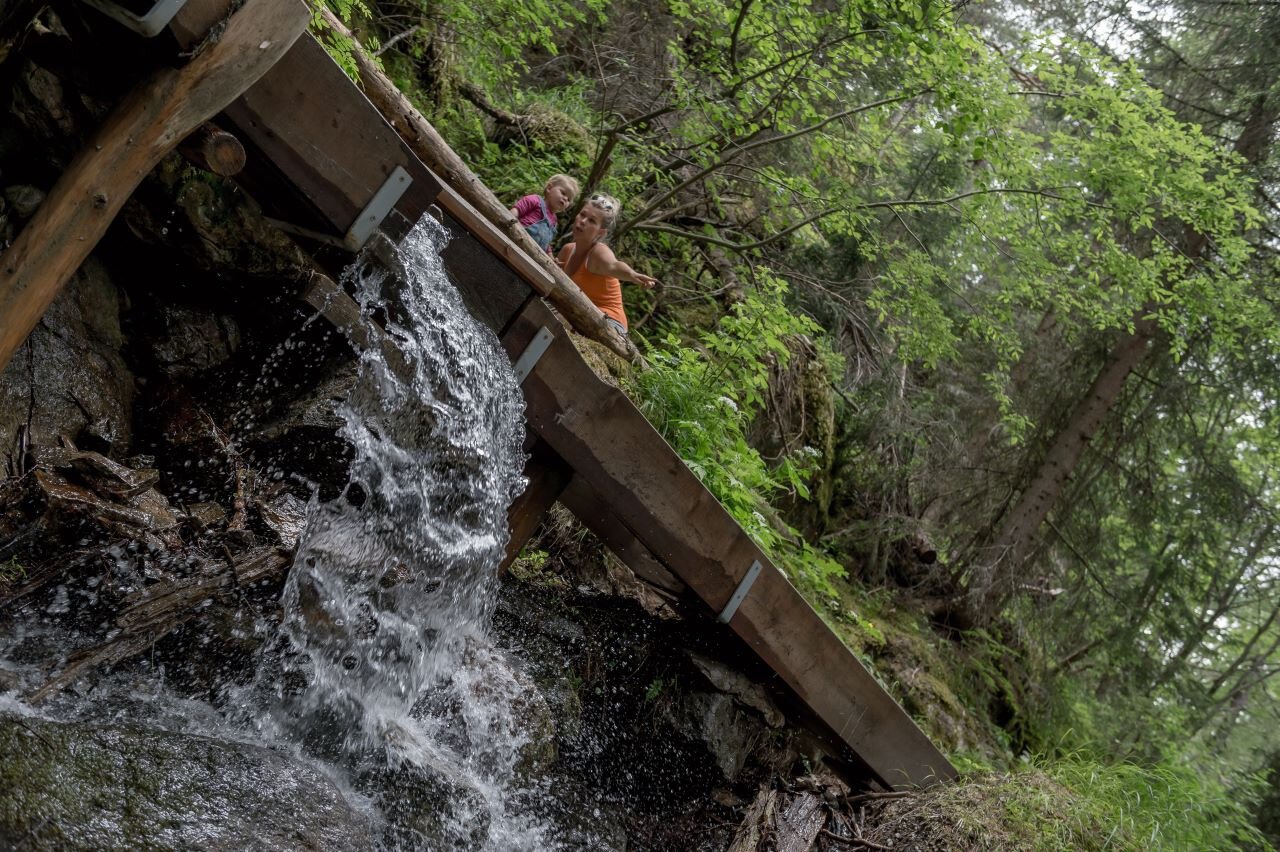
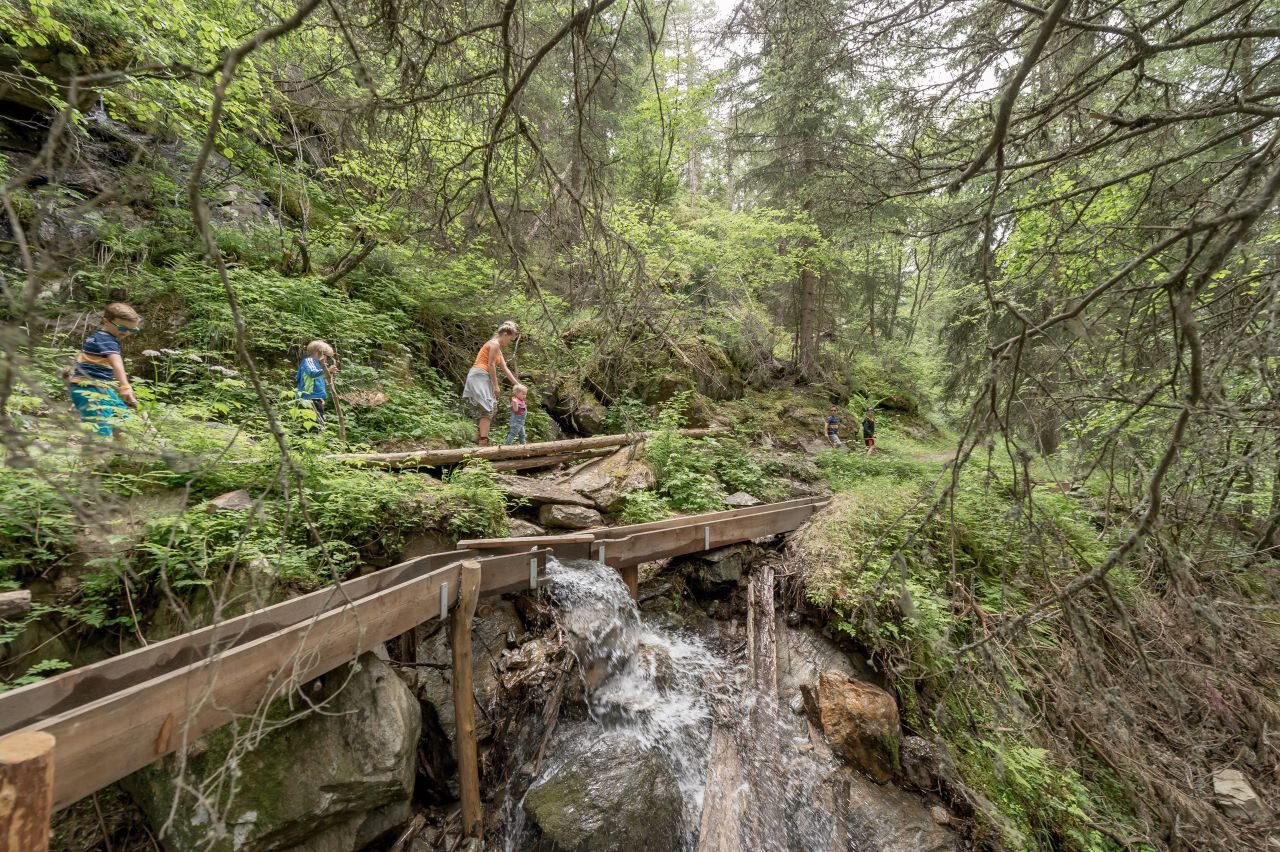
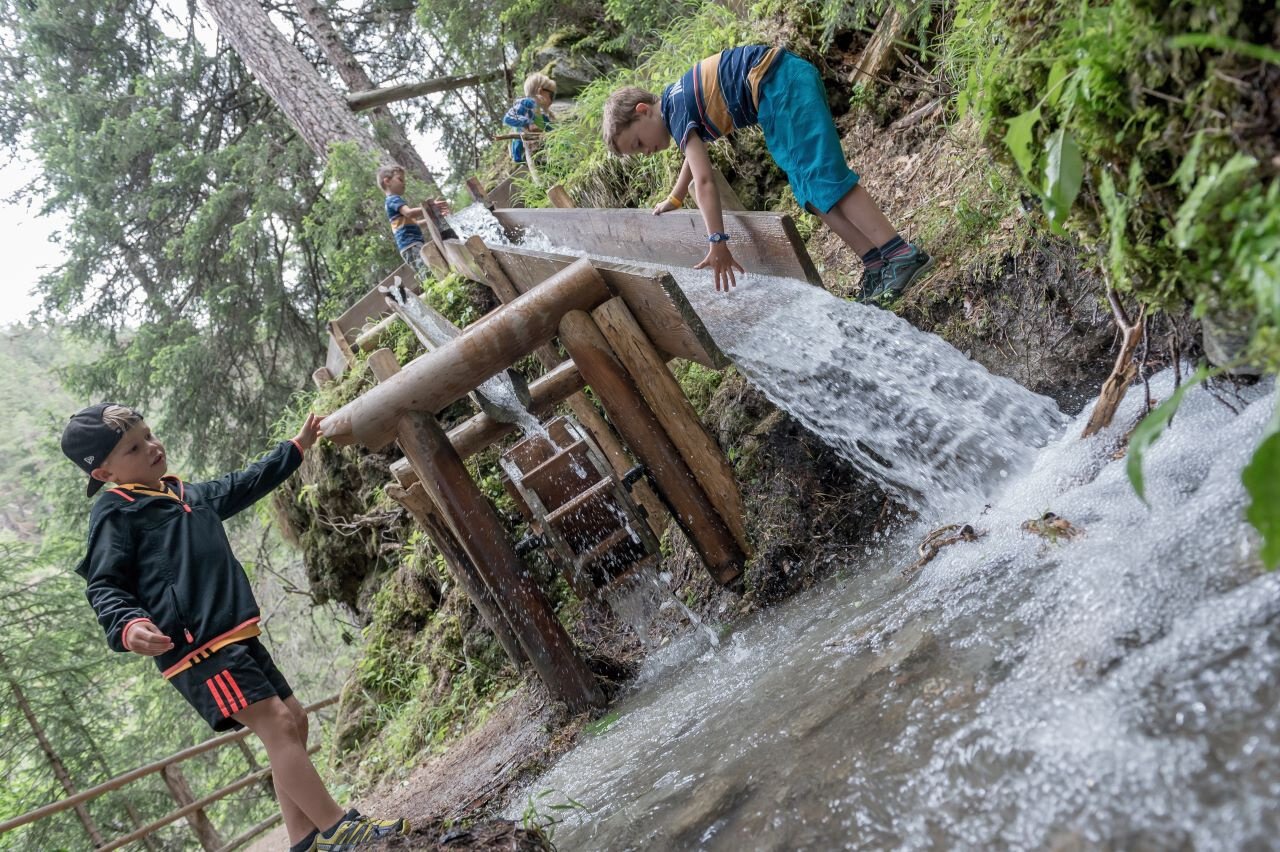
There you cross a small bridge and on the opposite side follow the Mooserstegle, a diverted waal of the Windach Ache from an earlier time. You continue walking, always accompanied by the reconstructed waal, which especially delights the smallest guests. It goes on leisurely past peaceful and fairytale-like places until shortly before the barbecue area. From there, the path leads downhill, past the Windau mill down into the Windau district. You can pause and gather strength at the station of the Ötztal Nature Park before returning to the starting point.
Regions & Places
Mountain areas
Details
Characteristics
Way types
Safety guidelines
Surefootedness
No special difficulties
Additional information
Waal Paths
- Waals are artificially created irrigation channels from which meadows and pastures were supplied with the necessary water. These old waals are still partly used today by farmers to irrigate meadows. Waals were a fundamental basis for managing pastures and meadows for our ancestors.
WATER IN THE ÖTZTAL
Water, the defining element of the Ötztal.
Freshwater melted off the glaciers by the sun nourishes the meadows and the Ötztaler Ache, which runs through the 65 km long valley. The catchment area of the Ötztaler Ache covers 893 km² with an elevation range between about 700 and 3,774 m. This glacier melt fills the water reservoir for the population and provides drinking water supply.
Glaciers store three-quarters of all freshwater reserves and thus represent the largest natural freshwater storage systems worldwide.
In 1770, advancing ice repeatedly dammed large lakes that, upon bursting, caused catastrophic floods throughout the Ötztal and even the Inn Valley. This natural hazard increasingly encouraged people to engage with their environment and promoted glacier research. However, the variety of water in the Ötztal serves not only science. The Ötztal glaciers are also a leisure space for residents and guests, as these "ice wonders" additionally serve as hiking areas and especially ski resorts. Moreover, glacier melt has enabled action-packed recreational activities such as rafting, white-water rafting, and many more.
More information about hiking in the Ötztal: https://www.oetztal.com/wandern
Recommended literature
Directions
EXPERIENCE THE PEACE AND BEAUTY OF SÖLDEN'S QUIET SIDE ALONG THE HISTORICALLY GROWN WAAL PATHS
From the Sölden information center, the path leads along the adventure mile, past the Sölden social center, over a steep ascent into the district of Granbichl.
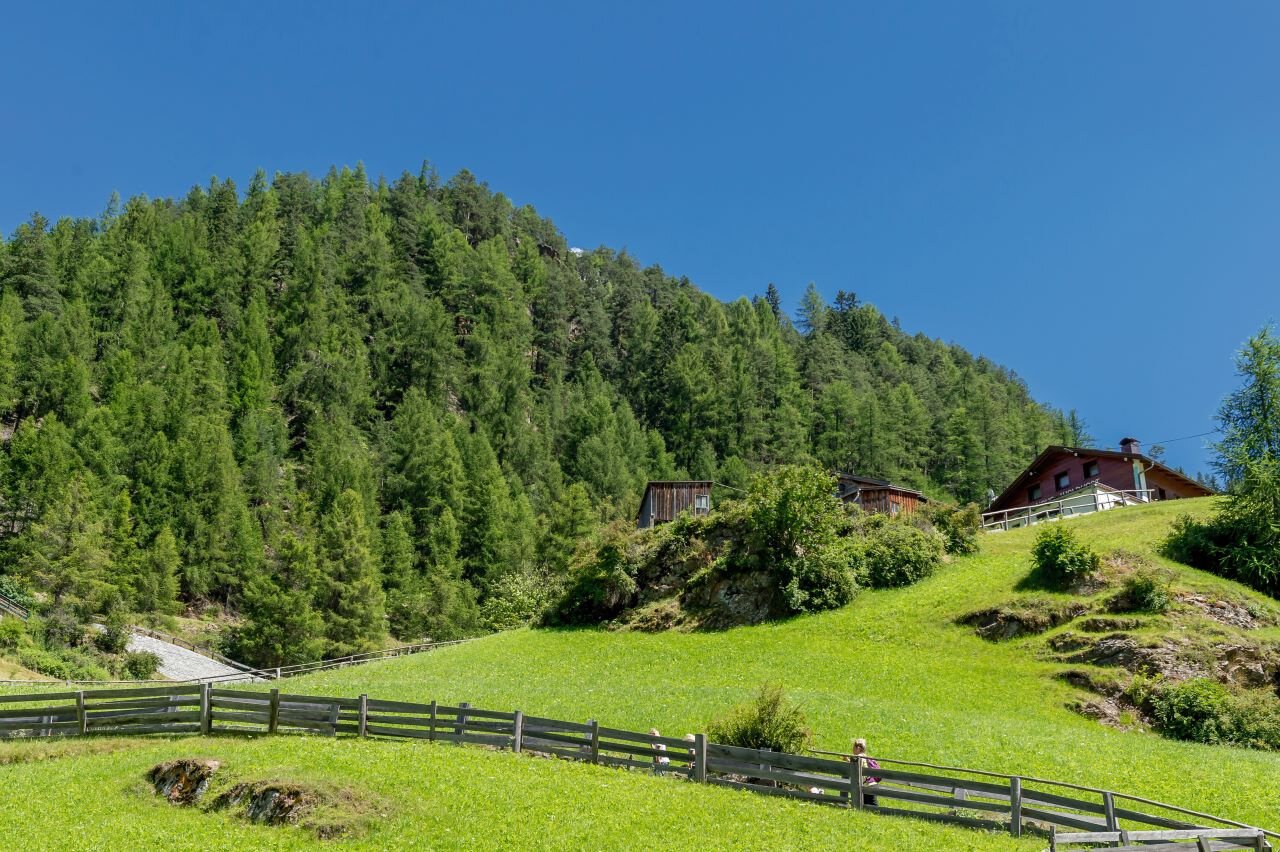
Further on, you walk along the meadow slopes and over the old path into the Windach Valley (part of the Central Alpine Trail), always with a deep view into the gorge of the Windach Ache. Here you can see the work of water over the past centuries, deeply cut into rock and stone.
Further inside the valley, you come a little closer to the water. But before the path leads over a bridge to the Mooserstegle, we take a short break in the hammocks. Then you walk down to the right and through the mystical forest to the riverbed of the Windach Ache. There you cross a small bridge and on the opposite side follow the Mooserstegle, a diverted waal of the Windach Ache from an earlier time. You continue walking, always accompanied by the reconstructed waal that especially delights the little ones. It continues leisurely past calm and fairytale-like places until shortly before the barbecue area. From there, the path leads downhill, past the Windau mill down into the Windau district.
You can pause and gather strength at the station of the Ötztal Nature Park before returning to the starting point.
Arrival
Public transit
Travel comfortably and safely by train to the Ötztal train station. The final stop or departure point is the ÖTZTAL station. Afterwards, you can conveniently and quickly continue your journey with the public bus service or local taxi companies throughout the valley to your desired destination! The current bus schedule can be found at: http://fahrplan.vvt.at
Starting point
Getting there
Sölden is located in western Austria in the state of TYROL, in a southern side valley of the Inn Valley - the ÖTZTAL. For your arrival by car, plan the best travel route from your home location with the route planner online at: https://www.google.at/maps
Parking
In Sölden, the following parking options are available:
- Postplatz parking lot
- Stiegele parking lot
- Terraced parking lot
- Giggijochbahn + underground garage
- Gaislachkoglbahn + underground garage
The parking lots in Sölden are chargeable.
For parking several days (e.g., hut tours):
- Gaislachkoglbahn parking garage; parking tickets are available either online or directly at the Gaislachkoglbahn ticket office.